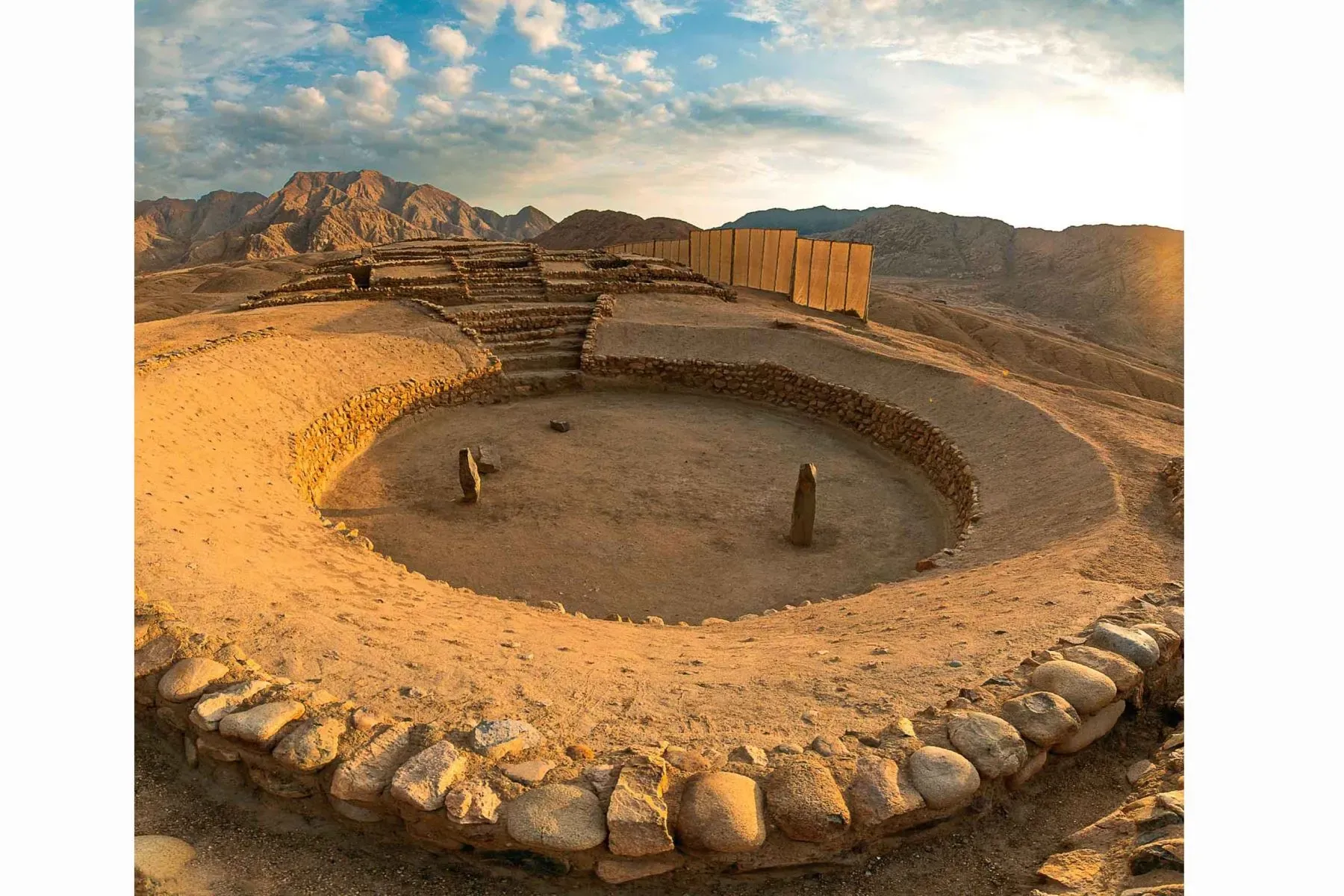
Peñico, an ancient urban center dating back 3,800 years in the Supe and Huaura valleys, joins the great archaeological destinations of Peru.
A New Face of the Andean Past
Archaeologist Ruth Shady, director of the Caral Archaeological Zone (ZAC), presented the findings at the Ministry of Culture, highlighting that Peñico, located in the province of Huaura, Lima region, served as a vital link between populations of the coast, the highlands, and even the jungle during the period 1800–1500 BCE. C. This city, which followed the cultural patterns of the Caral civilization, has been called the “City of Social Integration” due to its pivotal role in networks of interaction and ancestral trade.
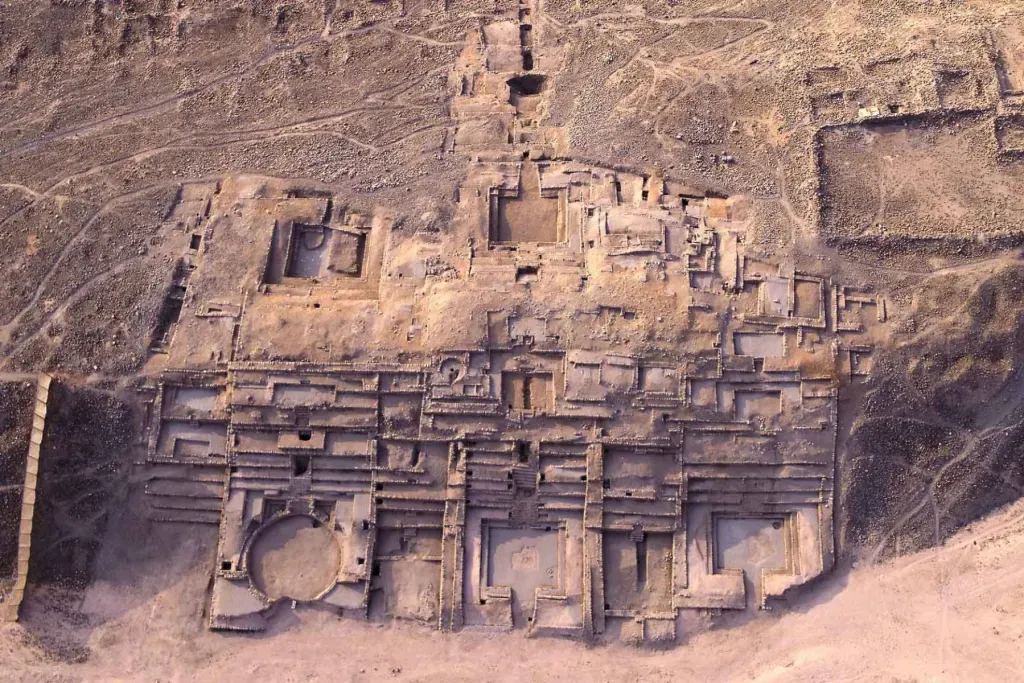
Built 600 meters above sea level, Peñico sits on a natural terrace next to the Supe River and is surrounded by hills up to 1,000 meters high. The choice of this location was not accidental: its geographical conditions protected the population from natural disasters and, at the same time, allowed for connection between diverse territories and cultures.
Heirs of Caral and Custodians of Exchange
Archaeologists propose that, after the decline of the first major cities in the Supe Valley, such as Caral, the inhabitants of Peñico continued to be key players in the already established networks of economic and social exchange. One of the central elements of this system was hematite, a mineral used to obtain a red pigment of great symbolic value in the Andean worldview.
Thanks to its prestige, Peñico was able to maintain its role as a connecting hub between different regions, reinforcing its importance not only architecturally, but also culturally and economically.
The Hall of the Pututus: A Space for Power and Ritual
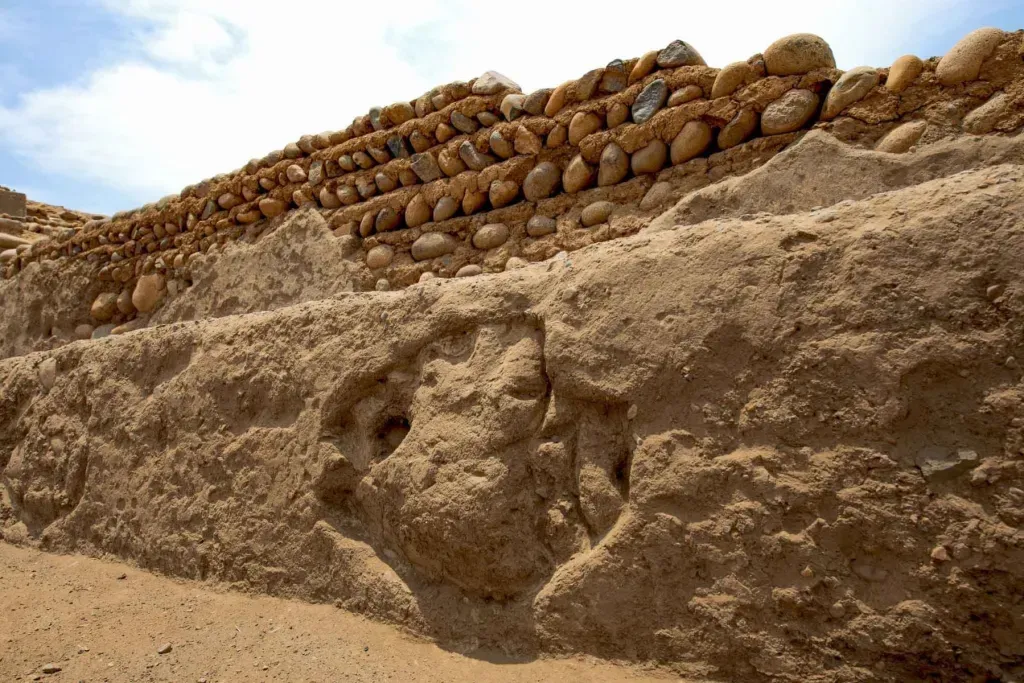
Of the 18 structures identified at the site, the Main Public Building B1-B3 stands out, containing the “Ceremonial Hall of the Pututus.” This space features sculptural reliefs with figures of pututus, trumpets made from marine conch shells, used ancestrally to summon the community, announce events, and as offerings to the deities.
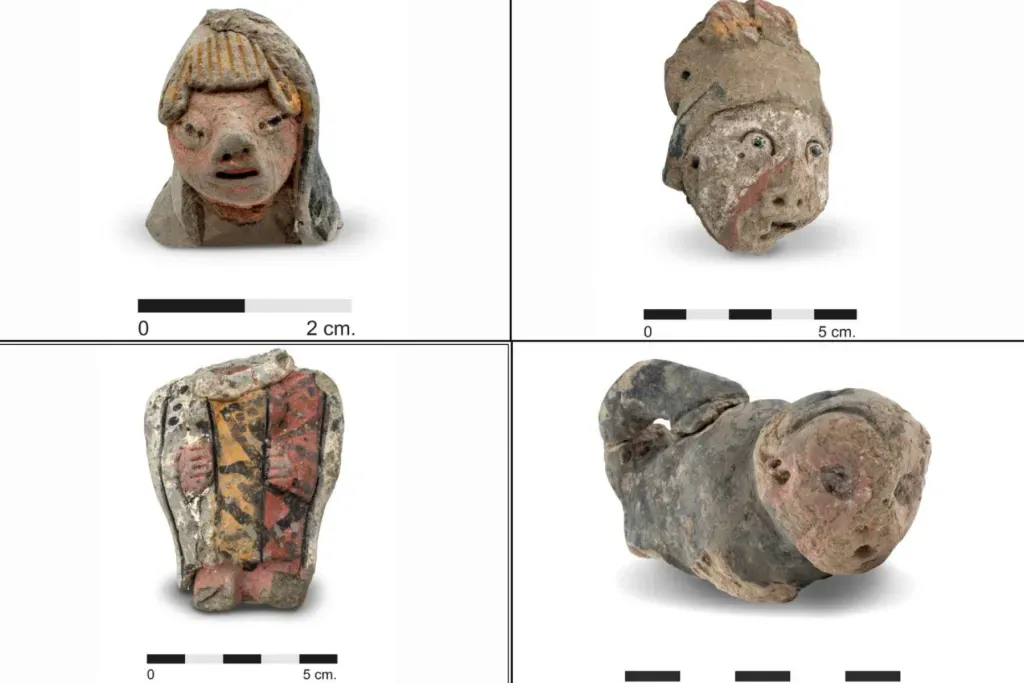
The building, due to its scale and location, was probably the administrative and ideological center of Peñico, where ceremonies and political decisions were made under the direction of local leaders. Inside, unfired clay sculptures were found, representing human figures, animals, and ritual objects. In addition, necklaces made with valuable materials such as Spondylus shell, semiprecious stones, and bone fragments were found, along with a rich variety of stone tools.
Peñico Raymi 2025: An Ancestral Celebration
To celebrate the site's recovery and opening, the ZAC (Arabic Archaeological Zone) will organize the first Peñico Raymi, an Andean festival to be held on Saturday, July 12, 2025, at 10:00 a.m. The event will include a Pachamama (Mother Earth) offering ceremony, cultural and artistic activities, and special recognition of the local community for its commitment to cultural heritage.
Cultural Tourism with Modern Services
Peñico already has basic infrastructure for tourism, including parking, a reception area, and a modern Information and Interpretation Center. In this space, visitors can learn about the site's history and culture through interactive resources such as dioramas, models, infographics, and digital recreations.
How to Visit Peñico?
Access to the site takes approximately four and a half hours from Lima. Follow the same route that leads to the Sacred City of Caral, turning off into the Supe Valley at kilometer 184 of the Pan-American Highway North. From there, it is 34 kilometers to the archaeological site.
Peñico welcomes visitors every day, including holidays, from 9:00 a.m. to 4:00 p.m., inviting everyone to discover a new chapter in the history of ancient Peru.
Peñico is ready to dazzle the world. A millennia-old past is being revived to continue building identity, memory, and a future.