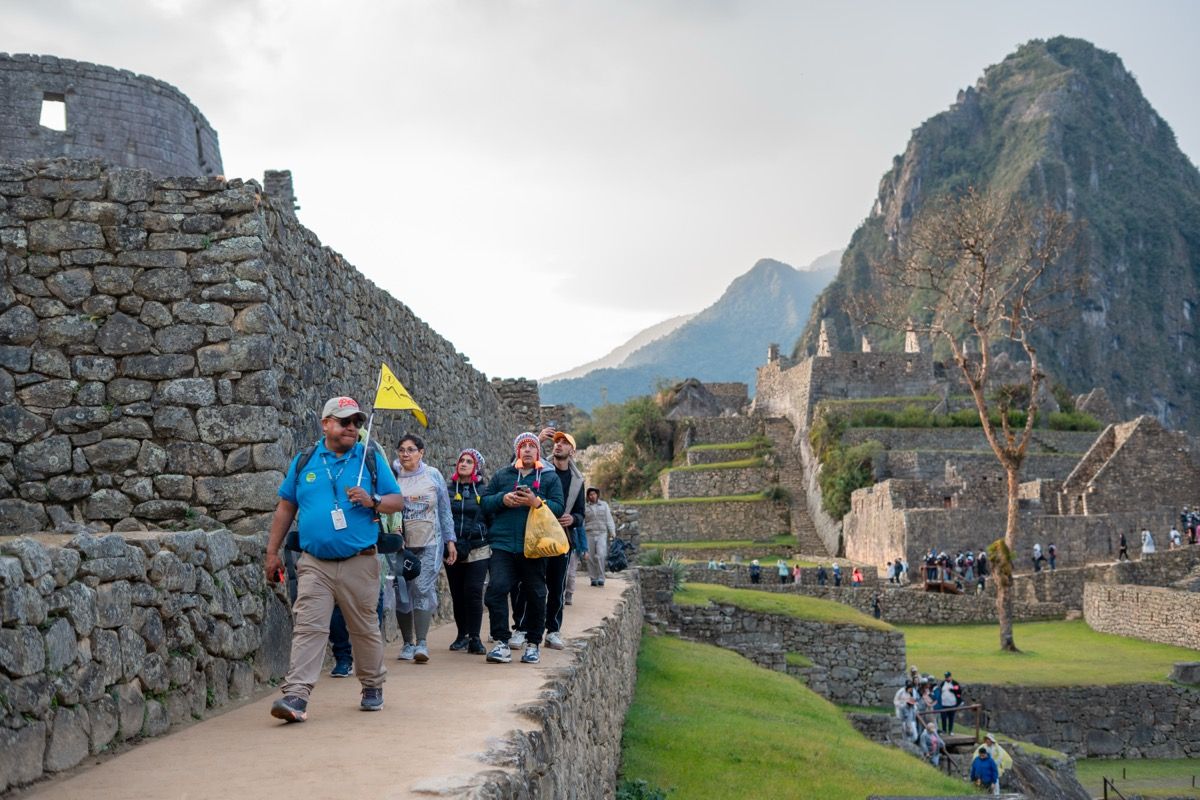
Sustainable tourism in Cusco seeks to balance economic development with the preservation of cultural and natural heritage. Discover how to travel responsibly.
The Evolution of Tourism in Cusco: From Traditional Tourism to Sustainable Tourism
Cusco, the jewel of the Andes and former capital of the Inca Empire, has been one of the world's most iconic destinations for decades. With Machu Picchu as its main attraction, traditional tourism long focused on guided tours of archaeological sites and excursions through the Sacred Valley. However, in recent years, Cusco has witnessed a significant transformation toward more sustainable tourism, which prioritizes respect for local culture, the environment, and community development.
From Traditional to Sustainable
Traditional tourism in Cusco used to focus on quick, mass visits to historical sites like Machu Picchu, Sacsayhuamán, and Ollantaytambo. While these attractions are spectacular, the increase in visitors raised concerns about the environmental and cultural impact.
Today, sustainable tourism in Cusco offers a deeper and more conscious experience, allowing visitors to connect with nature and Andean traditions in a respectful way. This evolution has been made possible thanks to government initiatives, local organizations, and the active participation of communities.
Featured Sustainable Tourism Initiatives
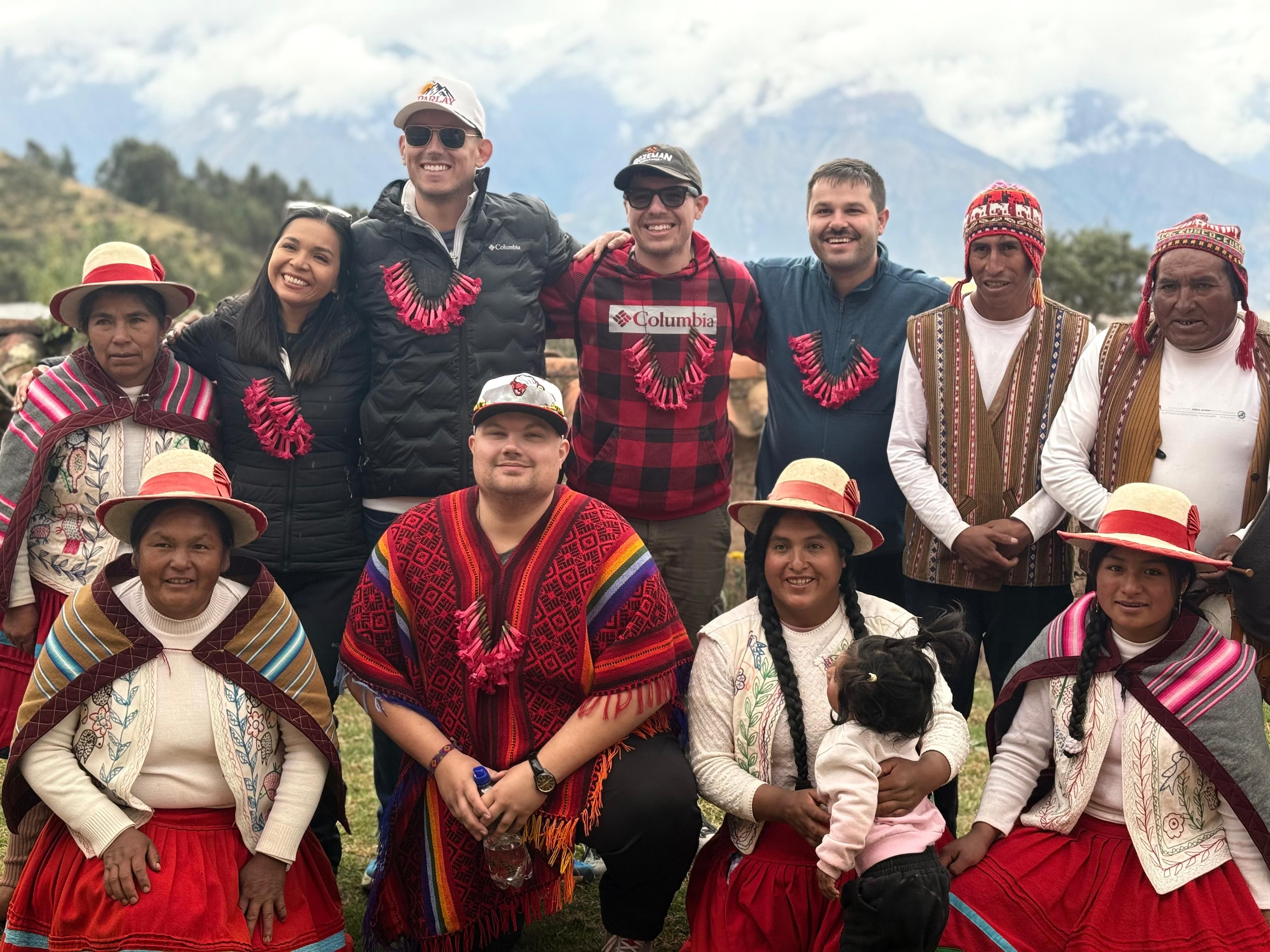
Experiential Tourism in Andean Communities: Experiences like those offered by the communities of Chinchero, Pisac, and Misminay allow visitors to live with local families, learn about their traditions, and participate in activities such as weaving, agriculture, and cooking. This approach not only enriches the tourist experience but also generates direct income for the communities.
Biodiversity Protection: Projects like the Abra Málaga-Thastayoc reserve and conservation initiatives in Manu National Park promote ecotourism, where visitors can enjoy nature while learning about the importance of preserving ecosystems.
Investments in Renewable Energy and Sustainable Transportation: Some tour operators have begun implementing eco-friendly measures, such as using electric vehicles and solar energy in accommodations and campsites.
Tips for Responsible Travelers
Choose Sustainable Tours: Look for tour operators that work with local communities and follow sustainable practices.
Minimize Your Environmental Impact: Avoid single-use plastics, bring your own reusable water bottle, and respect the rules in nature reserves.
Support Small Businesses: Buy handicrafts directly from the producers and choose restaurants that use local ingredients. - Learn about and respect traditions: Before participating in ceremonies or cultural activities, learn about their meaning and follow the hosts' instructions.
The Future of Tourism in Cusco
Sustainable tourism represents a great opportunity for Cusco. It not only allows for the preservation of its cultural and natural wealth but also improves the quality of life for its inhabitants. In a world where travelers are increasingly aware of their impact, Cusco is leading the way toward more responsible and balanced tourism.
So, if you are planning to visit this magical region in 2025, consider exploring these new alternatives that will not only enrich your experience but also contribute to a more sustainable world.
A future where tourism respects history and nature is possible, and Cusco is leading the way.