Discover the fascinating similarities between the Inca Empire and the Roman Empire, two civilizations that dominated vast territories and left an enduring legacy.
Parallels Between the Inca and Roman Empires
The Inca and Roman Empires, despite being separated by thousands of miles and centuries of history, share striking similarities. Both were civilizations that left a monumental legacy in the political organization, architecture, and culture of their respective regions. Below, we will explore some of the most fascinating parallels between these two empires.
1. Efficient Administrative Systems
Both the Incas and the Romans developed complex administrative systems to govern vast territories.
Inca Empire: The Tahuantinsuyo was divided into four regions called “suyos,” with Cusco as its political and religious center. Administration was based on a hierarchy of officials, from regional governors to local leaders, who reported directly to the Inca.
Roman Empire: Divided into provinces governed by proconsuls or prefects, the Roman Empire also had a centralized bureaucracy in Rome. Its legal and fiscal systems allowed for the control of a diverse population.
In both cases, organization was key to maintaining stability and ensuring the flow of resources to their capitals.
2. Infrastructure and Transportation Networks
Infrastructure was one of the pillars of both empires, enabling rapid communication and the integration of their territories.
Incas: The Inca roads, or 'Qhapaq Ñan,' connected the different regions of the empire. These roads were used by chasquis (messengers) to carry information and goods in record time.
Romans: Roman roads, such as the Appian Way, connected the provinces with the city of Rome. Their durability and advanced design facilitated the movement of armies, merchants, and messages.
Both transportation systems served not only practical but also symbolic purposes, representing the unity of the empire.
3. Architecture and Urban Planning
The architecture of both empires reflects their ability to transform the landscape and leave a lasting impact.
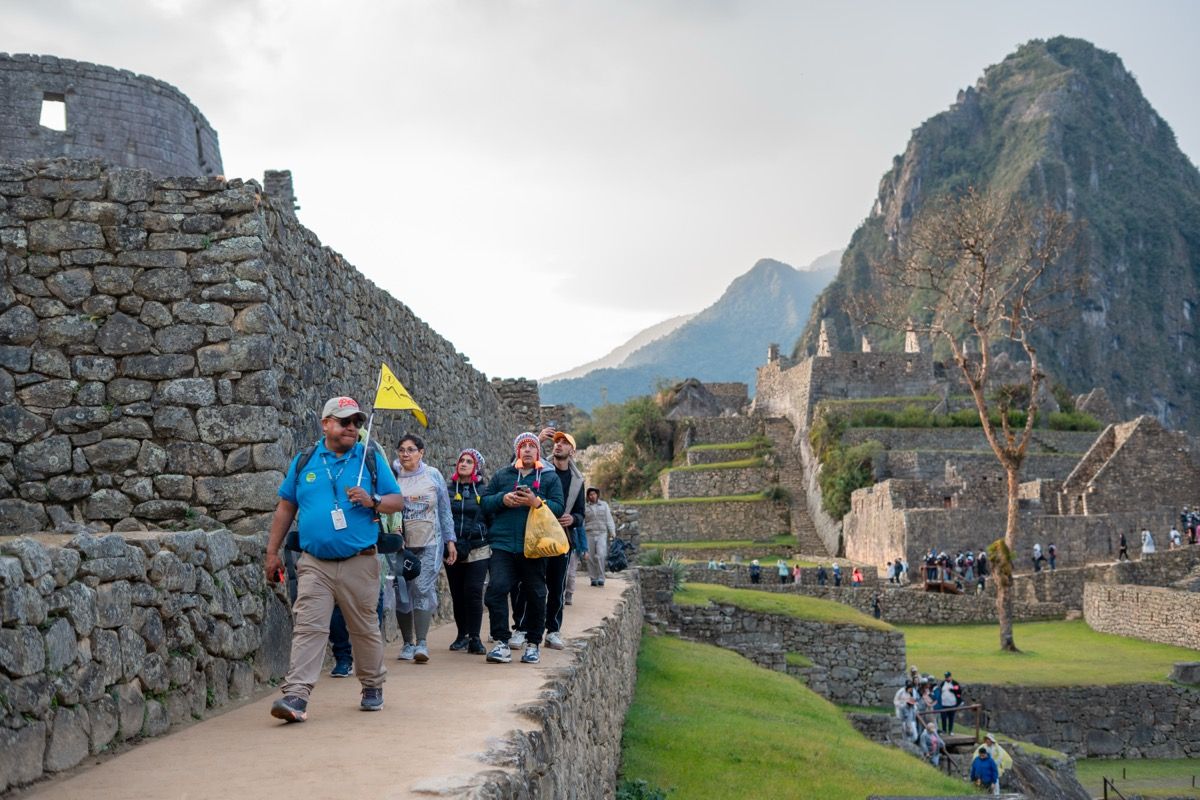
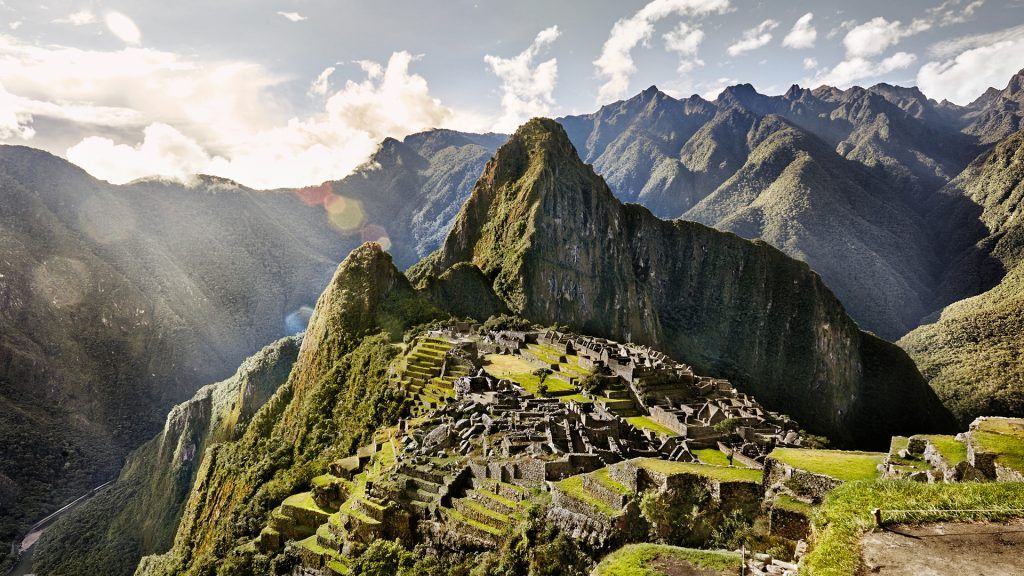
Incas: They used advanced masonry techniques to build structures such as Sacsayhuamán and Machu Picchu. Their integration with the natural environment is one of their most outstanding characteristics.
Romans: The Romans built amphitheaters, aqueducts, and forums, such as the Colosseum and the Roman Forum. Their architecture was also notable for its functionality and majesty.
Both empires demonstrated a profound understanding of engineering and a vision for creating spaces that served both practical and ceremonial purposes.
4. Religion as a Unifying Tool
Religion was fundamental in consolidating power and unifying their populations.
Incas: The worship of the Sun god (Inti) was central to the Inca religion. The Inca was considered a direct descendant of the Sun, which gave him divine authority.
Romans: The Romans incorporated a wide range of gods from the conquered cultures. During the Empire, emperors were often deified, consolidating their authority.
Both used religion to legitimize their power and promote cultural cohesion among their diverse territories.
5. Expansion and Maintenance of Power
Territorial expansion and control of conquered populations were priorities for both empires.
Incas: Expansions led by Pachacuti and his successors consolidated the Tahuantinsuyo through conquests and alliances. Conquered cultures were required to adopt Quechua and pay tribute to the Inca.
Romans: The Romans used a combination of military force and diplomacy. The conquered territories were integrated into the Roman system through shared laws and infrastructure.
In both cases, the inclusion of the conquered peoples was a key strategy for maintaining control.
6. Cultural and Political Legacy
Although both empires fell, their legacy endures to this day.
Incas: Their influence remains alive in Andean culture, the Quechua language, and local traditions.
Romans: Roman law, Latin, and the foundations of Western architecture are pillars of many modern societies.
Conclusion
The Inca Empire and the Roman Empire show us how two civilizations, despite their geographical and cultural differences, shared universal principles of organization, power, and legacy. Both represent a testament to human ingenuity and its capacity to build empires that transcend time.