A research project led by archaeologists from Cusco has confirmed the existence of over 1,700 meters of underground Inca passageways beneath the city of Cusco.
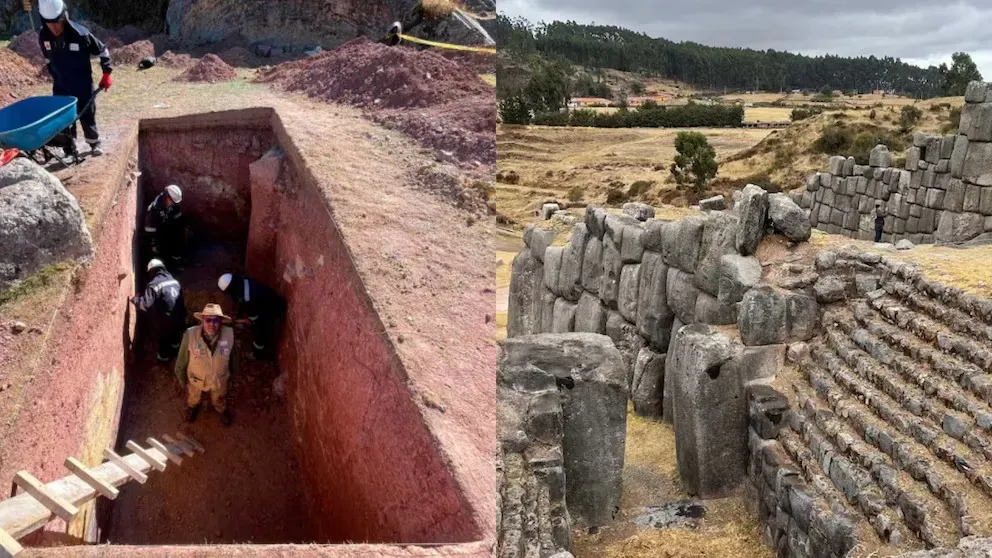
For centuries, these structures were considered mere legends. However, recent archaeological research suggests that these tunnels did exist and played crucial roles within the Andean world. A new study, led by Peruvian archaeologists, has found concrete evidence of their presence, revealing their dimensions, materials, and possible functions.
Origins of the Legend: Between History and Myth
Since colonial times, numerous chroniclers have written about secret tunnels beneath the city of Cusco:
These chronicles indicated the existence of entrances under temples such as the Coricancha, the Cathedral, and even the Bishop's Palace, all related to sacred or logistical routes of the Inca Empire (Tawantinsuyo).
Methodology of the Chincana Project
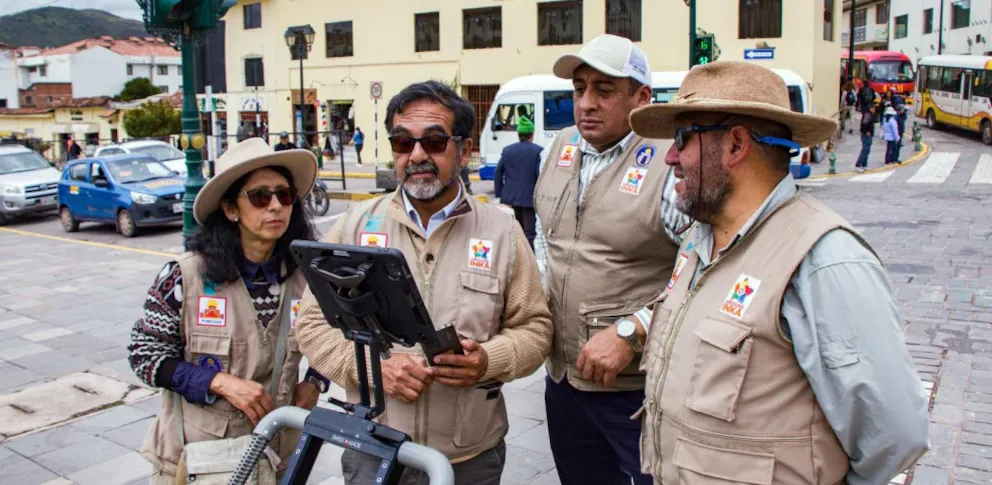
The team led by Jorge Calero Flores and Mildred Fernández Palomino has developed a rigorous technical process to verify the existence of these structures:
Phases of the Study
Documentary Review Colonial archives from the 16th to 18th centuries were compared with historical maps.
Acoustic Tests Controlled impacts were performed on the ground to detect hollow resonance (cavities). 3. Geophysical Studies (GPR) Use of ground-penetrating radar to identify buried structures with trapezoidal shapes, typical of Inca architecture.
Main Findings of the Study
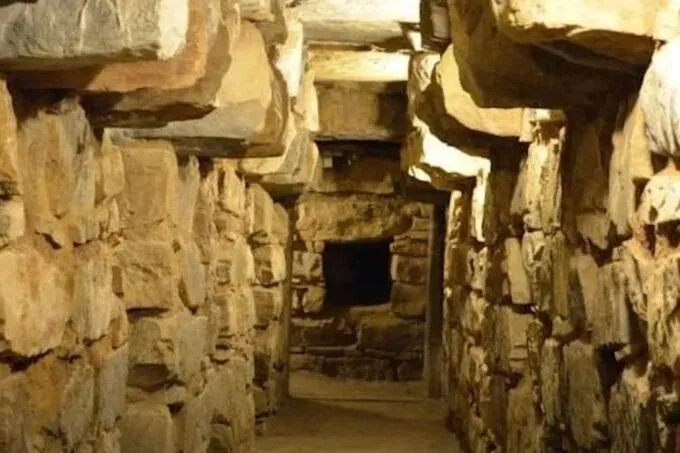
The results confirmed a continuous underground corridor with Inca architectural characteristics:
These tunnels appear to have been covered later, possibly after the arrival of the Spanish, or as part of a ritual closure system.
Branches Discovered
In addition to the main trunk between Coricancha and Sacsayhuamán, three secondary branches have been detected:
This suggests that the system was not linear, but rather a structured network of underground passages, connecting strategic points of the Inca urban landscape.
Probable Uses of the Chincanas
Experts have proposed several hypotheses about the purposes of these structures:
Ceremonial Uses
Paths for spiritual initiation or symbolic connection between temples.
Internal processions not visible to the general public.
Logistical Use
Concealed transport of valuable goods or food.
Safe passage for Inca authorities between sacred sites.
Defensive and Strategic Use
Escape route in case of invasions.
Discreet communication between the upper and lower areas of the city.
Important: The dimensions of the tunnel allow for the passage of people crouching, which reinforces the idea that it was indeed used functionally.
Next Steps: Excavations 2025
With the geophysical tests completed, the Chincana Project plans to begin controlled archaeological excavations:
These explorations are expected to:
Confirm the original materials.
Establish the exact construction techniques.
Recover artifacts or offerings.
Document the current state of the system.
Historical and Archaeological Impact
This discovery represents one of the most important finds of recent decades in the Cusco region. It provides:
Tangible evidence of the structures mentioned by colonial chroniclers.
Reconfiguration of Inca urban planning, where underground spaces held ceremonial, strategic, and logistical value.
Validation of the advanced engineering of the Incas, including knowledge of topography, slopes, and self-supporting structures.
Challenges and Ethical Considerations
Furthermore, any findings must be contextualized without sensationalism, prioritizing their scientific and cultural value over tourist appeal.
International Comparison
The crucial difference of the Inca system lies in its fusion of the ritual and the functional, the urban and the sacred.
Conclusion
The recent discovery of an underground network beneath Cusco could mark a turning point in Andean archaeology. These “chincanas” are not just hidden structures: they are traces of a worldview where the spiritual and the architectural converge underground.
Future excavations promise to reveal even more about how the Incas thought, built, and moved, and perhaps bring us closer to understanding the true meaning of the sacred city of Cusco.